


Why Tangible Music Makes Us Feel More Connected to the Artist
Music & Nostalgia
Why Tangible Music Makes Us Feel More Connected to the Artist
In an age dominated by digital platforms and streaming services, the allure of owning tangible music has not faded. Vinyl records, CDs, and cassettes hold a sentimental and immersive charm. There’s something profound about putting on a record or flipping a cassette that streaming cannot replicate. This analog experience fosters a deeper connection to our favorite artists. But why does this happen? Let’s explore why tangible music makes us feel more intimately connected to the artist.
The Physicality of Music
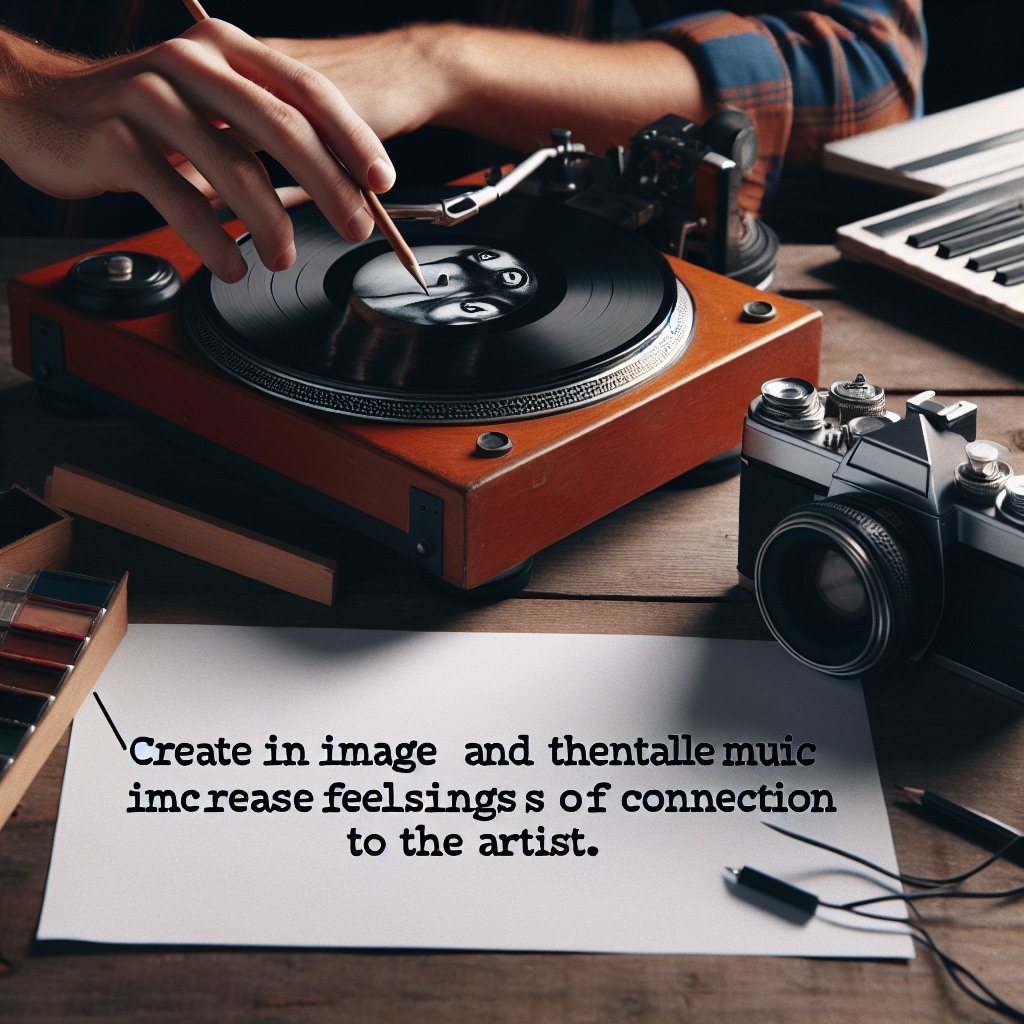
The concept of owning music in a physical form adds a sense of tangibility to the auditory experience. Whether it’s the feel of a vinyl record in your hands, the intricate design of a CD cover, or the satisfying click of a cassette, these sensory experiences engage listeners in a way that digital files simply cannot. The act of handling these music mediums translates the artist’s work into something more personal and accessible.
The Art of Album Covers
Album covers are a form of art that often gets overlooked. With tangible music, we can appreciate the detail and creativity that artists pour into these visual representations of their music. Opening a new album and exploring the cover art, liner notes, and inserts give fans a deeper understanding of the artist’s vision. This visual context can enhance the listener’s appreciation and connection to the music, bridging a gap that streaming services cannot quite fill.
Nostalgia and Emotional Connection
Nostalgia is a powerful emotion, and tangible music brings a rush of it. The crackle of a record, the whirr of a cassette—these sounds can transport us back to a different time and place. For many, owning tangible music is a way to reconnect with past memories and emotions associated with their favorite artists. This physical presence of music makes the connection with the artist more enduring and meaningful.
A Ritualistic Experience
The process of playing a tangible album can be a ritualistic experience—selecting a record, gently placing the needle, and flipping the sides. This process demands patience and attentiveness, creating a meditative experience that deepens our engagement with the music. This kind of interaction is absent in the quick, one-touch access of digital music, making the experience of tangible music feel sacred and profound.
Supporting Artists
Purchasing tangible music directly supports artists in a more significant way than streaming alone. Owning a vinyl, CD, or cassette represents a commitment to the artist and their craft. Fans who purchase this music often feel a stronger sense of connection and loyalty to the artist. This tangible support fosters a relationship where both parties are invested, and the listener feels a personal connection to the music they’re enjoying.
Collector’s Appeal
There’s a strong collector’s appeal in owning physical music. Many fans enjoy the pursuit of rare editions, limited releases, and signed copies. Collecting physical music becomes a hobby that supports an emotional and personal link to the artist. Owning these pieces of art is akin to owning a part of the artist, adding layers to the appreciation and connection between fan and creator.
Crafting Personal Soundtracks
Tangible music allows for a personalized experience. Creating a mixtape or personalized playlist on a cassette or CD can be an expressive and creative endeavor. Curating these soundtracks provides a platform for self-expression, fostering a connection not only to music and artist but to the craft of storytelling through music itself. This form of engagement requires creativity, effort, and thoughtfulness, establishing a more profound personal bond to the music.
Sharing Tangible Music
The act of sharing or gifting tangible music, like a mixtape or personalized album, transcends simple generosity. It is an intimate exchange that connects individuals through shared musical experiences. This exchange fosters community and connection, with the music acting as an ambassador between those involved. The shared experience of music builds a bridge between individuals and communities, anchored by their mutual love for the artist and their work.
Conclusion
In a world driven by convenience and rapid digital consumption, the experience of tangible music offers something uniquely special and irreplaceable. It provides an emotional, personal connection that digital platforms struggle to replicate. Whether it’s the sensory joy of handling music, the nostalgia it evokes, or the close bond it creates with artists, tangible music remains a cherished medium that will never lose its luster. For those who treasure these experiences, tangible music provides more than just sound—it offers connection, community, and a deeper appreciation of the art form.
The enduring allure of tangible music is a testament to its power to connect us with artists on a deeply personal level—one that continues to resonate, leaving an indelible impression that stays with us forever.
Ready to bring your music to life?