
















Comparing Cassette Tape Lengths: C60, C90, and Custom Durations
cassette mixtape
Comparing Cassette Tape Lengths: C60, C90, and Custom Durations
In the golden age of analog audio, the choice of cassette tape length was more than just a technical detail — it shaped how we curated our favorite music, made thoughtful mixtapes, and shared emotional messages. Today, as retro audio gear experiences a powerful resurgence, understanding the differences between cassette tape formats like C60, C90, and custom durations is becoming increasingly relevant for collectors, audiophiles, and tape fans alike. Let’s dive into how these options compare in terms of recording time, durability, sound quality, and best use cases.
The Classics: C60 and C90 Cassette Tapes
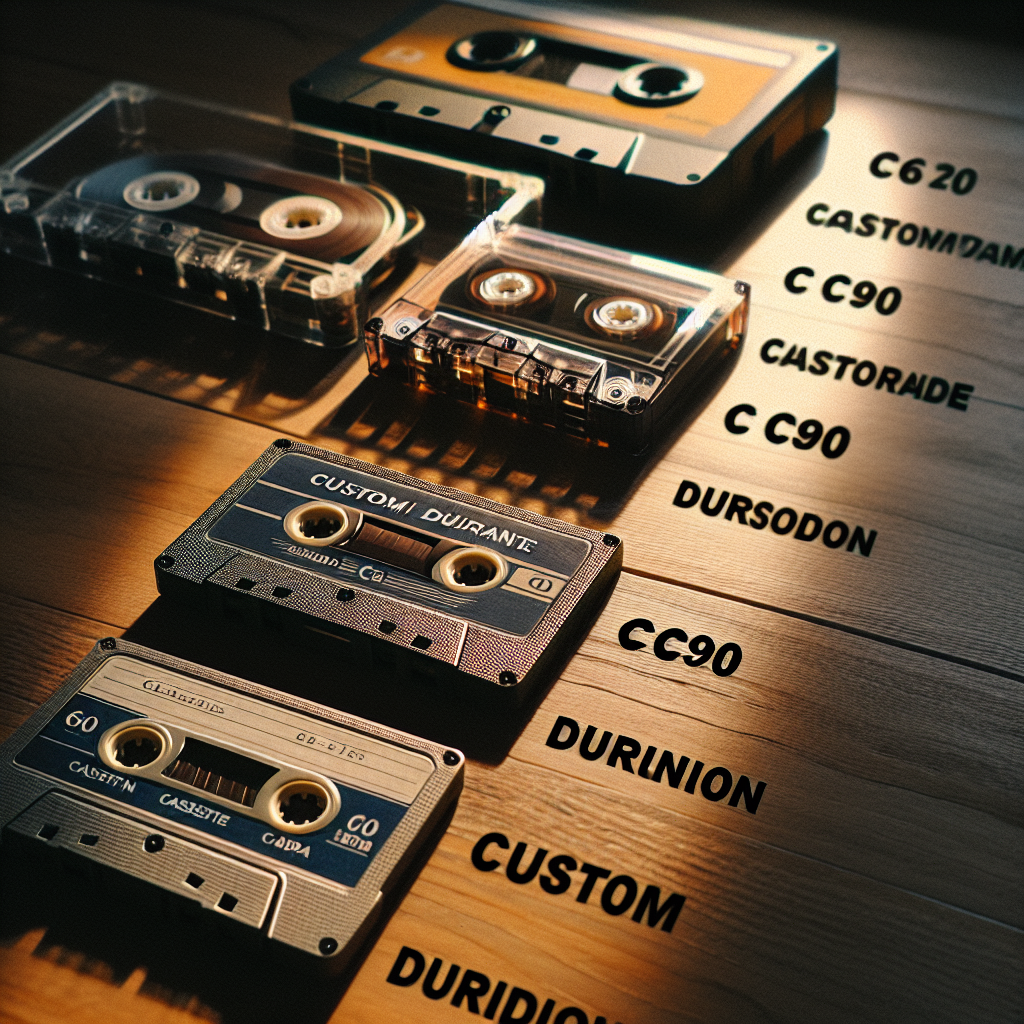
Cassette tapes typically denote their total running time — divided equally between two sides — in their names. That’s where the terms C60 and C90 come from.
C60 Tapes: The Quality Standard
A C60 cassette tape provides 60 minutes of total run time — 30 minutes per side. These tapes became the go-to standard in the 1970s and early 1980s for a few good reasons. Shorter tape length means thicker tape, which not only reduces the risk of the tape snapping or stretching but also usually offers better sound fidelity. For those prioritizing audio quality over quantity, C60 tapes are often the best pick.
Use C60s when curating shorter, more focused thematic playlists or when you’re aiming for excellent playback quality on high-grade tape decks. Their thicker tape coatings can handle dynamic ranges and heavier bass without as much hiss or distortion.
C90 Tapes: The Practical Favorite
A C90 tape allows for 90 minutes of music or content — typically 45 minutes per side. These tapes became incredibly popular during the mixtape boom of the 1980s and 1990s because of their increased duration without a massive sacrifice in quality.
While thinner than C60 tapes due to their longer tape spools, C90s were seen as the most practical length for capturing full albums (including that massive Pink Floyd or Prince release) or creating “Side A for the party, Side B for the slow dance” compilations.
The slight loss in durability or fidelity didn’t matter to most users, as the extended length allowed for more creativity and personalization — and that was the soul of the mixtape culture.
Custom Tape Durations: Tailoring Cassette Length to Fit
For those who love absolute control and are deep into custom recording projects, custom cassette durations (such as C45, C70, or even C100+ tapes) are appealing options. While not typically found on store shelves, they can be ordered through specialty retailers or hand-spooled by enthusiasts.
When Custom Lengths Make Sense
There are numerous scenarios where opting for a custom cassette length is worthwhile:
- Album Matching: Creating a tape for an exact-length album minimizes dead air or unnecessary track shuffling.
- Archiving: Tailor durations for digitized live recordings, interviews, or radio broadcasts that don’t fit standard lengths.
- Professional Use: Musicians and spoken word artists creating promotional tapes often source custom durations to reduce waste and cost while staying on-brand.
That said, there’s a trade-off. Many custom tapes, especially longer ones, involve using ultra-thin tape — this reduces durability and increases the chance of warping or damage, especially in high-speed recording decks. Proceed with care!
Which Cassette Length Is Best for Mixtapes?
If you’re planning to create a meaningful mixtape for a birthday, a road trip, or just to express how you’re feeling, choosing the right tape length can make or break the experience — both for you and the recipient.
Creative Reasons to Choose C60 or C90
One underrated aspect of selecting a tape length is how it affects how you think about music selection. A C60 forces a sort of discipline; you curate with care and cut what doesn’t matter. A C90, on the other hand, offers space to include musical detours, inside jokes, or a slow fadeout of ambient tracks that set the mood.
Try this rule: if you’re giving it as a gift to someone who’s new to your music taste, go with a C60 — short and sweet. If it’s for a significant other, longtime friend, or yourself, a C90 tape gives room to tell a deeper sonic story.
Tape Deck Compatibility and Sound Quality
Older or cheaper cassette decks may struggle with ultra-thin tape used in C90 or longer cassettes. Fast-forwarding, rewinding, or even recording may place strain on the tape and mechanisms. If you’re serious about sound quality, make sure your deck is well-maintained, clean, and professionally calibrated if possible.
Conclusion: Choosing the Right Tape for the Right Experience
The magic of making or receiving a mixtape lies in its limitations — and the tape length you choose is one of its defining creative constraints. C60 tapes offer superior sound and are perfect for high-quality, concise playlists. C90 tapes strike a balance between quantity and quality, giving you the flexibility to pack in more tracks or full albums with minor fidelity trade-offs. Custom durations, though less conventional, open up rooms for specific, tailored needs that can validate any analog enthusiast’s passion for precise detail.
As cassette culture continues its analog revival, understanding your options — and working within them — transforms the mixtape from a nostalgic novelty into a modern form of storytelling. Whether you’re rediscovering the highs and hiss of tape for the first time or returning to it with a seasoned ear, picking the right length is the first step to getting the sound — and the sentiment — just right.
Ready to bring your music to life?