










The Difference Between CD-R and Pressed CDs for Custom Projects
maintenance
The Difference Between CD-R and Pressed CDs for Custom Projects
In the world of music and digital media, understanding the difference between CD-R and pressed CDs is crucial, especially if you’re planning a custom project. Whether you’re an amateur musician trying to distribute your first album or an event organizer looking to create memorable souvenirs, choosing the right type of CD can affect both the quality and the perception of your final output. This article will explore the key differences between these two formats and help you make an informed decision for your unique project.
Understanding CD-R: An Overview
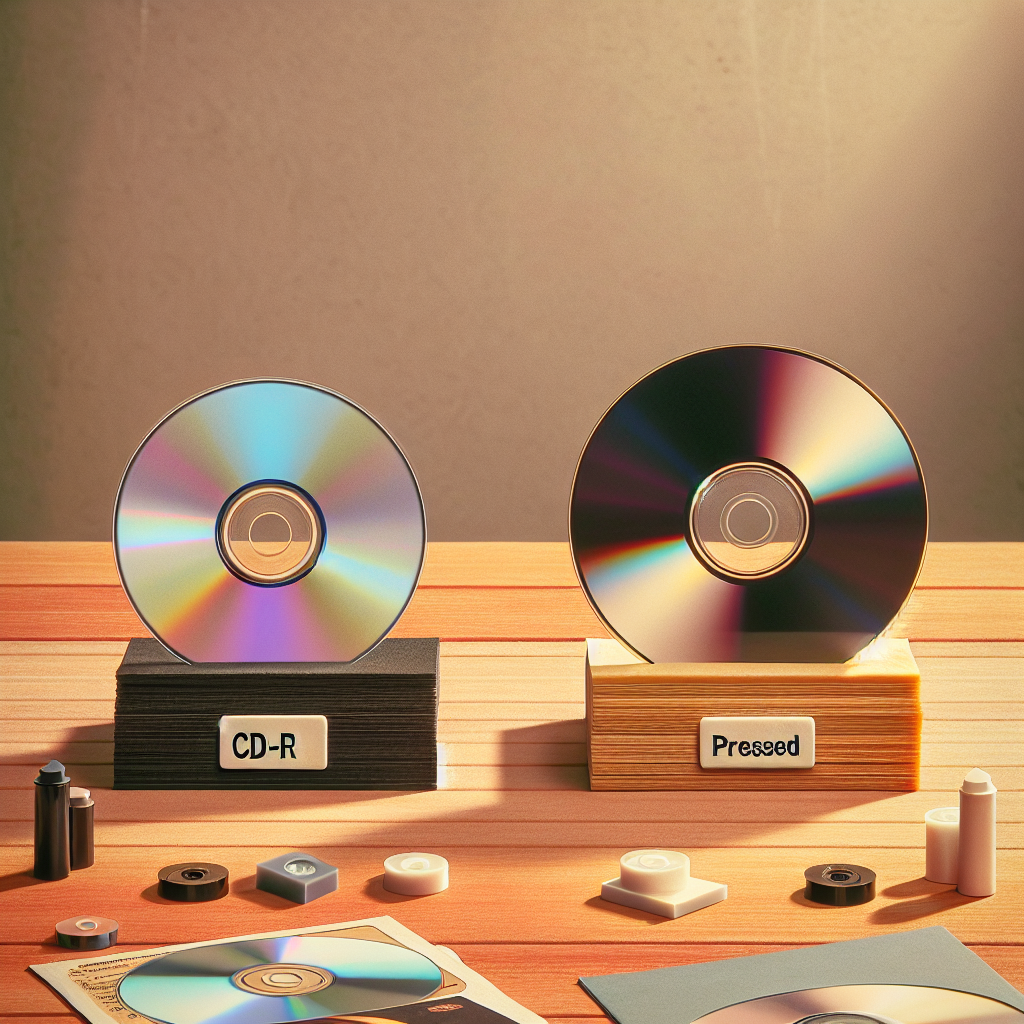
A CD-R, or Compact Disc-Recordable, is a type of writable digital storage medium. CD-Rs allow users to burn data onto the disc one time, after which the data becomes permanent. The writable layer on CD-Rs comprises an organic dye that undergoes a change when exposed to a laser, thereby storing the data. Once written, this data cannot be overwritten or erased, making CD-R ideal for personal music projects, mock-ups, and small-scale distributions.
Advantages of CD-R
One significant advantage of CD-Rs is their convenience. The process of recording onto a CD-R is relatively simple and can be done using standard computer equipment with a CD burner and appropriate software. Additionally, CD-Rs are generally more affordable than their pressed counterparts, especially for small quantities. This makes them a practical choice for individuals or organizations with limited budgets who wish to create demos, promotional giveaways, or other small projects.
Drawbacks of CD-R
However, CD-Rs are not without their drawbacks. One major limitation is that they may have a shorter lifespan compared to pressed CDs, primarily due to the organic dye’s susceptibility to degradation over time. The quality of the disc can also vary based on the dye used and the speed at which it was burned. Furthermore, CD-Rs may not always be compatible with older CD players, which could hinder their functionality for presentations to diverse audiences.
Pressed CDs: An Overview
Pressed CDs, also known as replicated CDs, are produced through a more complex manufacturing process involving the creation of a glass master. This master is used to stamp the data onto the disc, layer by layer, resulting in a product that closely resembles commercially available CDs.
Advantages of Pressed CDs
Pressed CDs offer a number of benefits, most notably their durability. The data is physically embedded into the disc, making it resistant to environmental conditions that could affect the lifespan of CD-Rs. This makes pressed CDs a better option for projects that require higher quality and longevity, such as commercial album releases or long-term archiving.
Additionally, the quality and consistency in audio playback from pressed CDs are superior, lending a professional touch to any project. They are also more universally compatible with CD players, which ensures that recipients can enjoy the media without any playback issues.
Drawbacks of Pressed CDs
Despite their advantages, pressed CDs come with higher production costs, particularly when ordered in smaller quantities. This is due to the initial expenses involved in creating the glass master and the stamping process. Therefore, they might not be cost-effective for small-scale projects or those with limited budget constraints.
The Right Choice for Your Custom Project
When selecting between CD-Rs and pressed CDs for your custom project, consider your specific needs, budget, and the intended use of the discs. For smaller runs where cost is a major consideration, CD-Rs are generally the more logical choice. They provide a good balance between affordability and quality for most less formal projects.
For projects where longevity, compatibility, and a polished look are paramount, investing in pressed CDs is the best route. Although more expensive, they offer the robustness and professional quality that important projects often require. This makes them an excellent choice for musicians releasing an album, companies producing a branded mix as part of a marketing strategy, or any situation where the aim is to make a lasting impression.
Conclusion
In summary, both CD-Rs and pressed CDs have their place in the world of custom digital creations. CD-Rs offer a cost-effective solution for smaller projects, while pressed CDs provide durability and professional quality for more significant ventures. By weighing the pros and cons of each format in relation to your project’s goals and budget, you can make an informed decision that will satisfy both your needs and expectations.
Ready to bring your music to life?