



Why Gen Z is Falling in Love with Cassettes and Retro Media
Retro music culture
Why Gen Z is Falling in Love with Cassettes and Retro Media
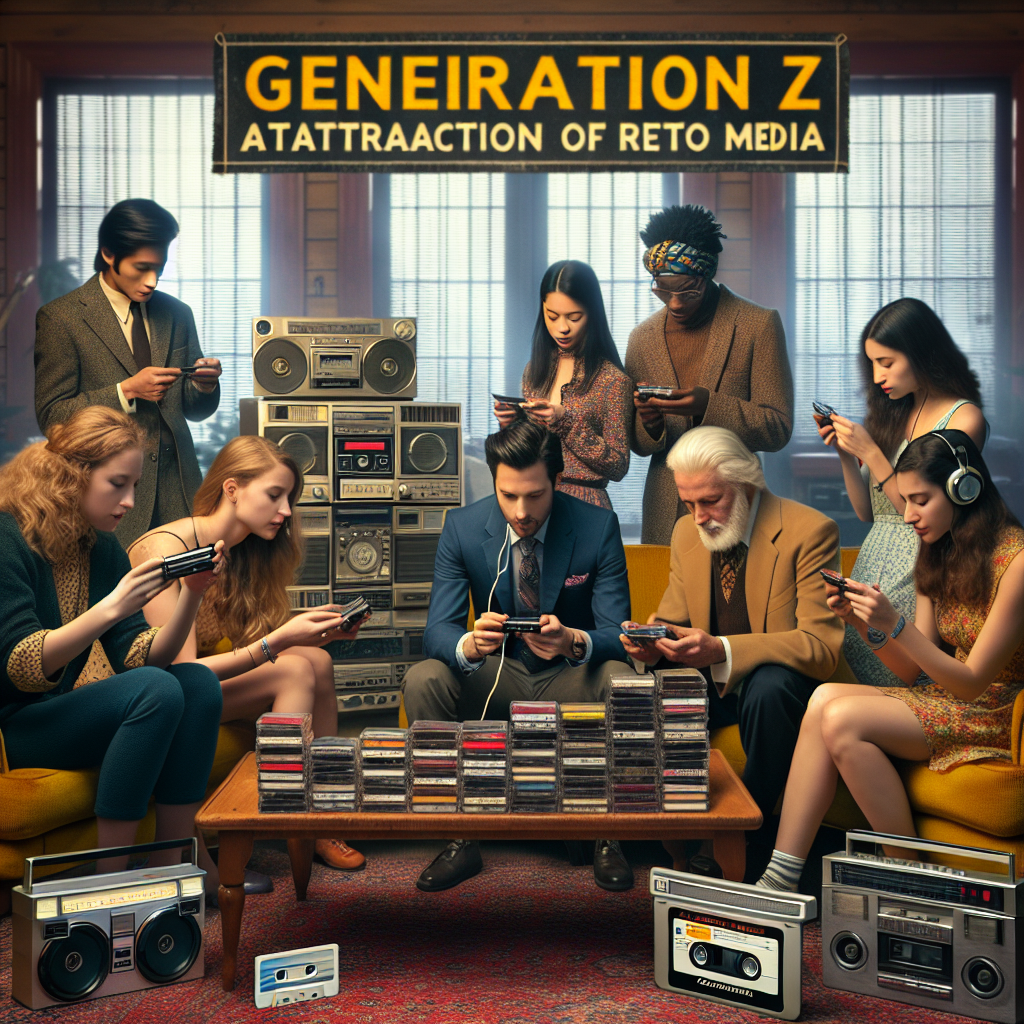
Once considered obsolete relics of the past, cassette tapes and other retro media are making a surprising comeback, and Gen Z is driving the trend. Born between the mid-1990s and early 2010s, this digital-native generation has developed an unexpected love affair with analog formats like cassettes. But why are Gen Zers turning back the clock to embrace outdated tech? This nostalgic movement isn’t just about music—it’s a lifestyle and aesthetic statement redefining modern pop culture.
A Digital Generation Craving a Tangible Experience
In an age where streaming dominates and music is instantaneously accessible, many Gen Zers find themselves yearning for something more tangible. While Spotify playlists offer convenience, they lack the physical connection that older forms of media provide. Cassette tapes offer a sense of ownership, and the manual process of playing a tape—slotting it into a deck, pressing play, flipping sides—adds ceremony to the listening experience.
In a world overwhelmed by screens and ephemeral content, analog formats like cassettes offer tactile satisfaction. They require presence, patience, and intention—characteristics that are increasingly rare in the era of digital convenience.
The Allure of Aesthetic and Nostalgia
Aesthetics: Retro is Cool Again
Fashion isn’t the only arena where trends from the ’80s and ’90s are staging a major comeback. The retro aesthetic is deeply ingrained in Gen Z’s fashion, design, and technology preferences. Cassette tapes—with their bold colors, handwritten labels, and satisfying click-and-whirr sounds—fit perfectly into this love for vintage vibes. They offer more than just music; they are artifacts of a bygone era, cherished for their visual and tactile charm.
Nostalgia: Longing for the Unlived Past
Although Gen Z didn’t grow up with cassette tapes in the same way previous generations did, they’ve cultivated a deep sense of nostalgia for “simpler times.” This phenomenon, often referred to as “anemoia,” is nostalgia for a time one didn’t live through. Through movies, TV shows, and social media, many in Gen Z have discovered and romanticized past decades, making retro media appealing. Owning a cassette is like holding a slice of history, triggering emotions tied to authenticity, simplicity, and creativity.
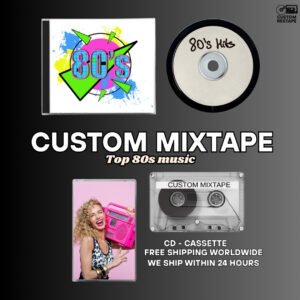
The Mixtape Renaissance
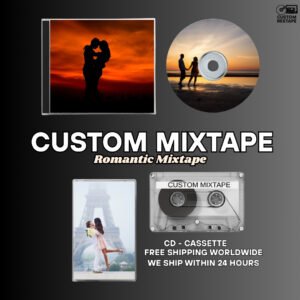
Mixtapes are a personal and curated form of expression that feel sincere in a way digital playlists often lack. For Gen Z, creating a cassette mixtape or receiving one as a gift transforms music into a heartfelt, physical token of connection. Whether it’s a romantic gesture or a way to share one’s favorite indie bands, the mixtape allows for a deeper, more meaningful kind of music sharing.
Even online platforms like TikTok have played a role by glorifying the aesthetics and emotional value of mixtapes. Influencers post videos showing how they make personalized tapes, complete with custom cover art and handwritten tracklists—turning music into a creative project that bridges art and sound.
Supporting Indie Artists and DIY Culture
Another reason Gen Z is drawn to cassettes is the resurgence of independent music scenes where physical formats still hold value. Many indie and punk bands release music on cassette as a nod to lo-fi authenticity and to stand out in a saturated streaming market. Buying a tape from a local artist at a basement show or zine fair isn’t just consuming music—it’s an act of support for grassroots creativity. This DIY ethos aligns perfectly with Gen Z’s values of individualism, authenticity, and ethical consumption.
Retro Media As a Response to Digital Overload
Living online 24/7 can be emotionally draining. Social media, constant notifications, and algorithmic feeds create an overwhelming digital experience. Retro formats like cassette tapes offer a form of digital detox. They represent an intentional slowdown, allowing listeners to unplug and enjoy music in a distraction-free manner.
Listening to a tape demands attention in a way streaming doesn’t. There’s no skipping tracks effortlessly, no algorithm deciding what to play next—just pure, uninterrupted listening. In this sense, using cassettes isn’t just nostalgic; it’s revolutionary. It’s a deliberate step away from consumption overload toward mindful engagement.
Collectibility and Personal Identity
For Gen Z, collecting isn’t about practicality—it’s about identity. Owning cassette tapes, vintage record players, or retro Walkmans becomes a form of self-expression. It signals cultural affiliation, creativity, and a fondness for the analog world. Each tape in a growing collection tells a story, whether it’s a thrift-store find or a tape passed down by a parent.
Unlike streaming libraries that change with licensing agreements, physical media endures. The permanence and uniqueness of each cassette appeals to Gen Zers who are curating personal libraries as a way to showcase who they are.
Conclusion: Future Trends Tied to the Past
The revival of cassettes and retro media among Gen Z is more than a fleeting trend—it’s a cultural statement. In an era where digital reigns supreme, analog offers a counterpoint that emphasizes presence, patience, and personal expression. From the joy of making a mixtape to the thrill of pressing play on a Walkman, cassettes bring back the joy of discovering and treasuring music in a physical form.
As the lines between nostalgia and innovation blur, Gen Z is proving that old-school formats still have new stories to tell. And in doing so, they’re keeping the spirit of retro media alive, one tape at a time.
Ready to bring your music to life?